
The Green Heart of Africa
 |
The history of coffee does not begin in a roastery, nor in a Viennese coffee house, nor in a modern espresso bar – it begins in the mists of the Ethiopian mountain forests. There, in the highlands of East Africa, the Coffea arabica plant has grown wild for millennia in the shade of larger trees. At altitudes between 1,500 and 2,000 meters, ideal conditions prevail: mild temperatures, regular rainfall, and fertile soils of volcanic origin. In this natural environment, a plant developed that would later change the world. The second economically important species, Coffea canephora, better known as Robusta, originates from the humid, hot lowlands around Lake Victoria in Uganda. It is more resistant, more heat-tolerant, and has a higher caffeine content – qualities that make it indispensable for certain growing regions. |
Legends: The Dance of the Goats
|
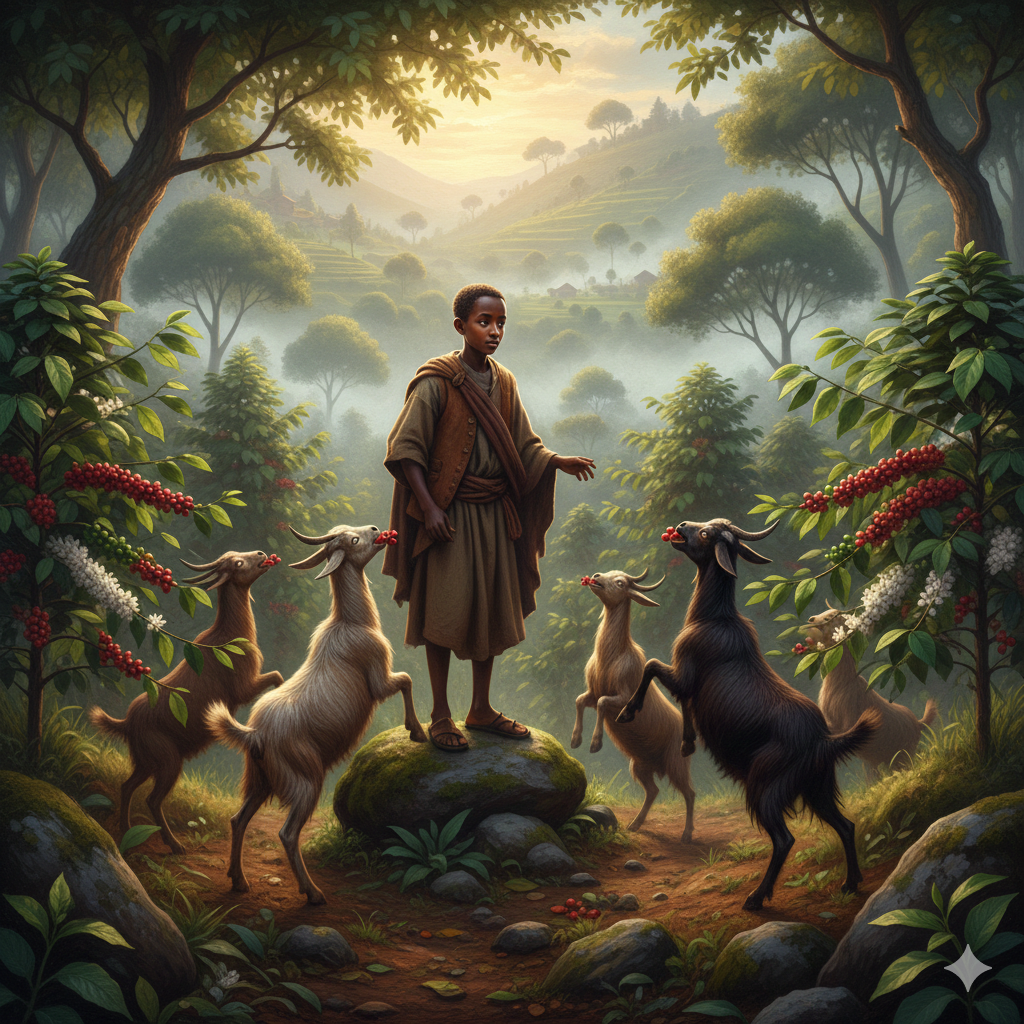
Exactly how man discovered the invigorating effect of the coffee cherry is not historically proven. The most famous legend leads to the 9th century. A young goat herder named Kaldi is said to have observed that his animals became unusually lively after eating red berries. They jumped, danced, and seemed to know no fatigue. Curious, he brought the fruits to monks in a nearby monastery. Initially skeptical, they threw the cherries into the fire – but the aromatic scent of the roasted beans quickly convinced them. They prepared an infusion from them that helped them stay awake during nightly prayers. Whether historically accurate or not – this story reflects the essence of coffee: energy, alertness, and community. |
|
Yemen – The Birth of Coffee Culture
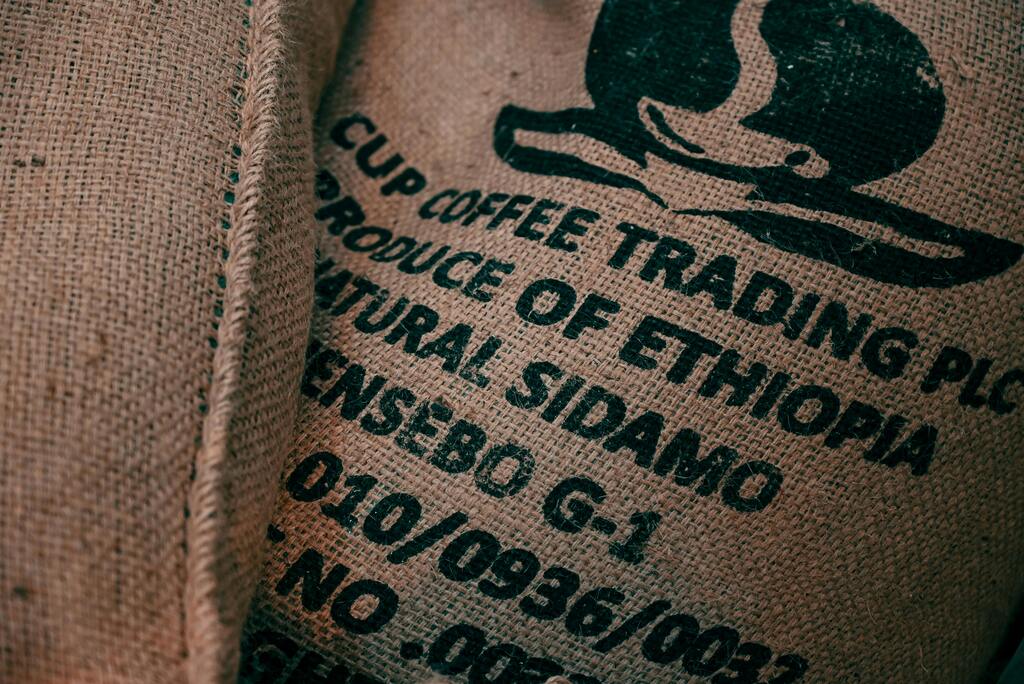
The port city of Mocha (Al-Mukha) developed into the global center of coffee trade. From here, the coveted beans were shipped to the Arab world and later to Europe.
For centuries, the secret of cultivation was closely guarded. Viable beans were not allowed to leave the country – they were treated before export to secure the monopoly.
Here, in Yemen, coffee first became more than just a drink. It became part of a culture.