
The Name – From "Qahwa" to Coffee
A Linguistic Journey Across ContinentsThe word "Kaffee" (coffee) has its roots in the Arabic term "qahwa". Originally, "qahwa" in Arabic generally referred to a beverage that curbs or stimulates appetite – in a poetic sense, it was also used for wine. As the dark beans gained popularity in the Islamic world, coffee offered a welcome alternative to wine, which is forbidden in Islam. Thus, the invigorating brew developed into a socially acceptable variant and earned the moniker "wine of Islam." |
|
The Journey of the Word Reflects the Path of the Coffee Bean |
Arabia: From "qahwa" came the Turkish "kahve" in the Ottoman Empire. Europe: Via Venetian trade routes, the word arrived in Italy as "caffè." Global: From Italy, it spread as "café" (France), "coffee" (England), and finally in the early 18th century as "Kaffee" in the German-speaking world. Language follows trade – and the coffee trade created a cultural bridge that is still evident today in every order of a "Caffè Latte" or "Café au Lait." |

Coffee Houses – The First Social Networks
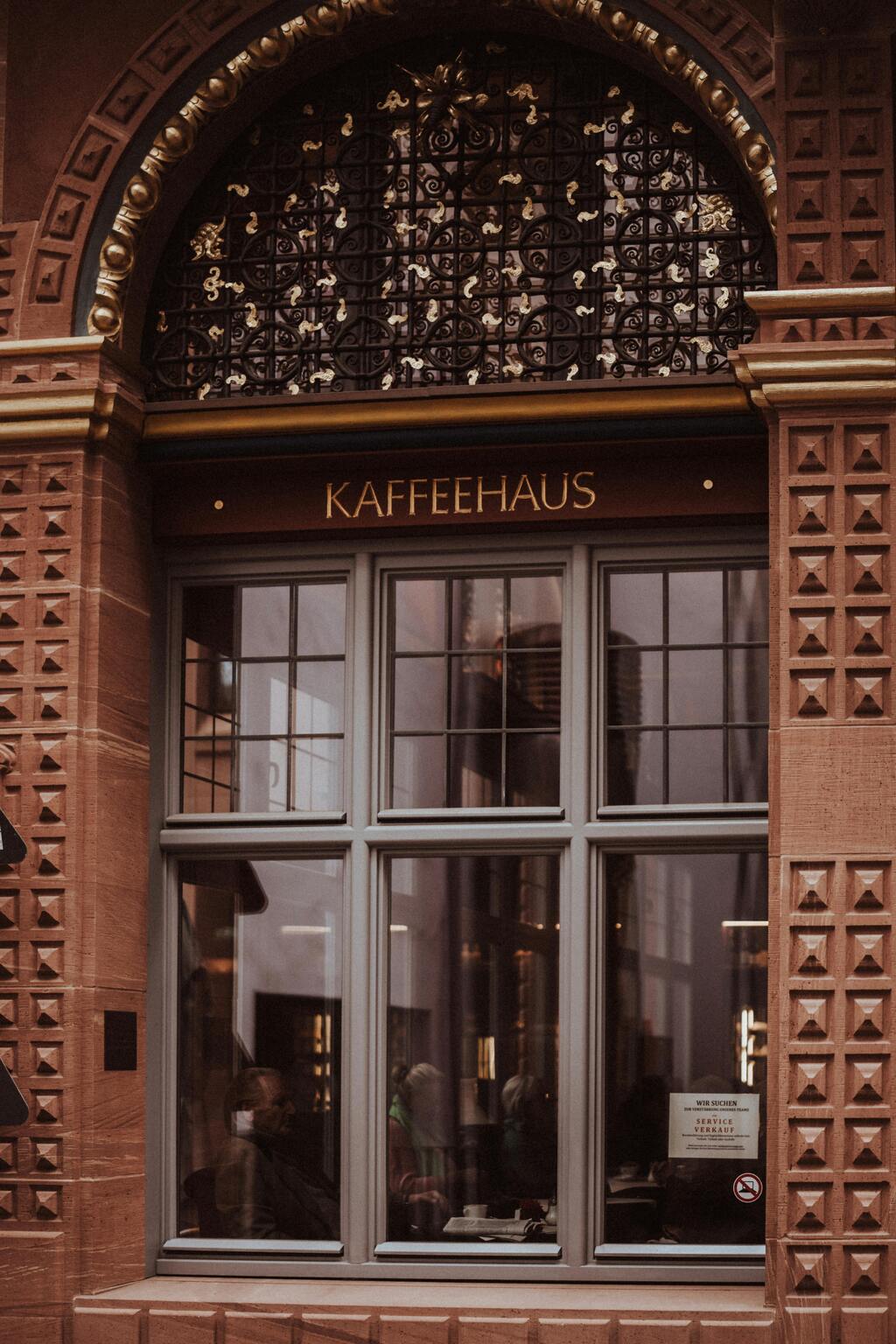
The history of coffee, this "black gold" that began its triumphant march in the 16th century, is inextricably linked to the emergence of the first coffee houses. These places, referred to in cities like Constantinople (modern-day Istanbul) as "Mekteb-i 'irfān" – schools of the wise – were far more than just meeting points for consuming beverages. They evolved into the first social networks and central hubs of exchange in an era without newspapers or the internet. Here, scholars, merchants, and artists alike found their place to discuss global affairs, compete in chess, or listen to travelers' tales. Coffee itself acted as a social catalyst, stimulating conversation without clouding the mind.
|
When coffee reached Europe in the 17th century, it sparked an intellectual revolution that significantly shaped the foundation of modern society. Legendary institutions emerged in European metropolises: London: The so-called "Penny Universities" offered access to the latest information and lively debates for the price of a cup of coffee. Significant institutions like Lloyd's of London and the London Stock Exchange originated here. Paris: In the famous Café Procope, Enlightenment thinkers like Voltaire and Rousseau met. Here, the spirit of the Enlightenment was fueled by the enjoyment of coffee, and it is believed that the French Revolution quietly began here. Vienna: The unique tradition of the "extended living room" developed in the Viennese coffee house, which became a refuge for writers and a symbol of a culture of dialogue that made time and space disappear. In an era when water quality was often questionable and beer, a staple food, tended to cloud the mind, coffee brought sobriety, concentration, and mental alertness to everyday life. It became a symbol for the free exchange of ideas and the emergence of the modern public sphere. |